



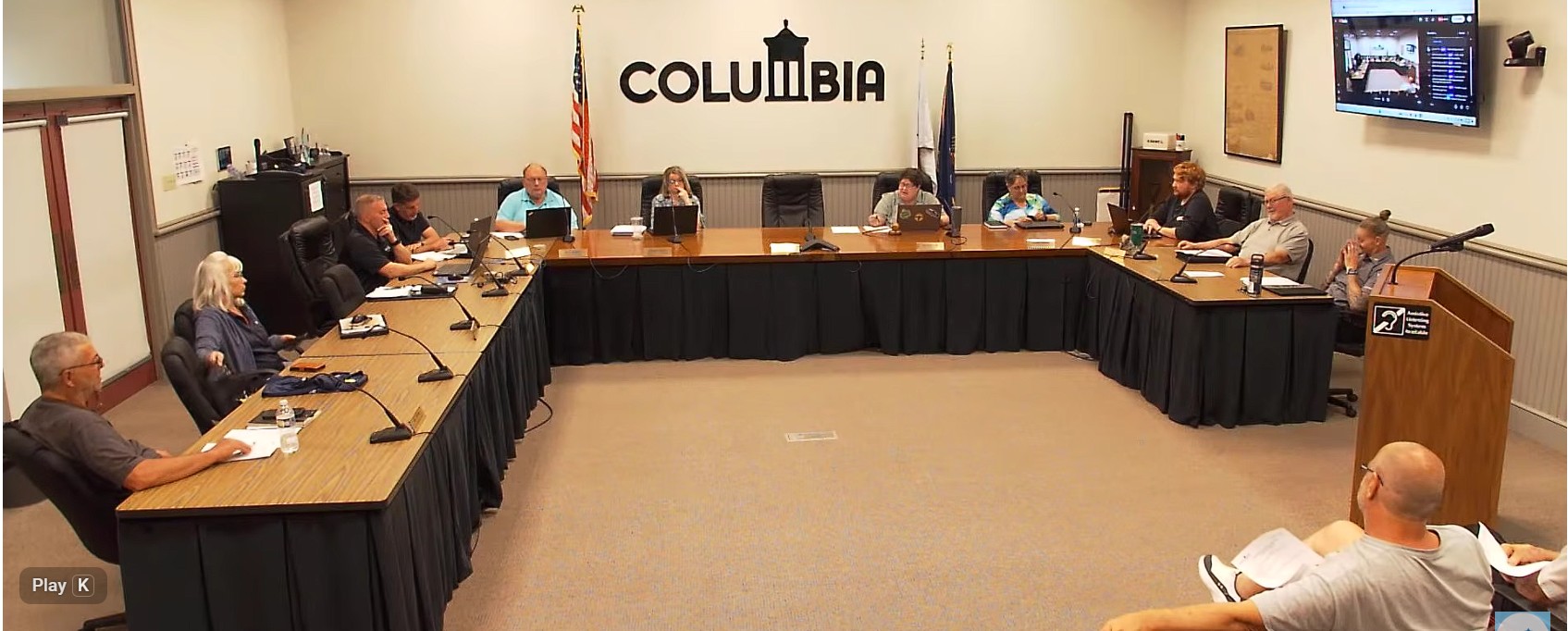
Columbia Borough’s recent 4–3 vote to approve Chief Holly’s contract has done something impressive: it got just about everyone talking.
Not shouting—this isn’t that kind of town—but definitely talking.
At first glance, it looks like a typical local government decision. There was a process, a vote was taken, and a contract was approved. Case closed.
Except it isn’t.
Because underneath that vote is something far more interesting—and, depending on who you ask, a little frustrating:
The system worked exactly the way it’s supposed to… and that’s exactly the problem.
Welcome to Civil Service (Please Take a Test)
In Columbia, police promotions don’t happen over coffee or based on “who’s been here the longest.” They happen through Pennsylvania’s civil service system.
That means:
- Written tests
- Oral interviews
- Scoring
- Ranking
- And a final list that says, more or less: this is the order of things now
Boroughs are required to follow this structure and even maintain a civil service commission to oversee it.
In theory, it’s beautifully simple:
Everyone gets the same shot. No favoritism. No politics.
In reality… it can feel a little like your entire career gets judged the same way as a high school exam.
20 Years of Experience Meets One Score Sheet
Part of the current conversation centers around a veteran officer—more than two decades on the job—who didn’t come out on top in the rankings.
No dramatic press conference. No official complaint.
Just quiet frustration.
And honestly, it’s not hard to understand why.
After 20 years, you don’t just know the job—you are the job. You’ve seen everything, handled everything, trained people who are now coming up behind you.
Then one day, the system says:
“Great career. But based on this score… not quite.”
From a rulebook standpoint, that’s fair.
From a human standpoint, that can sting.
Meanwhile, Five Miles Away…
Now here’s where things get interesting.
If you drive a short distance out of Columbia into certain townships, you’ll find something very different.
In many of those departments:
- There’s more flexibility
- Leadership can weigh experience more heavily
- Promotions don’t always come down to a ranked list
In other words:
Someone can look at a 20-year officer and say, “Yeah, that’s our leader,” without needing a spreadsheet to confirm it.
That’s not cheating the system.
That is the system—just a different one.
Pennsylvania law treats boroughs and townships differently. Boroughs like Columbia follow structured civil service rules. Many townships don’t have to.
So you end up with two realities sitting side by side:
- One built on structure
- One built on discretion
And people naturally compare them.
A lot.
The 4–3 Vote: Not Loud, But Not Quiet Either
Then there’s the council vote.
A 4–3 decision isn’t chaos—but it’s not exactly overwhelming agreement either. It’s the kind of vote that says:
“We’re moving forward… but not everyone is feeling the same way about it.”
That doesn’t mean anything improper happened.
It just means there were questions.
And when you add in comments about confusing or unclear wording in the contract, it gives people one more reason to pause.
Because if there’s one thing people like in local government decisions, it’s clarity.
Actually, scratch that—it’s probably number one on the list.
The Part Nobody Puts in the Minutes
Here’s the piece you won’t find in any official report:
This isn’t just about policy. It’s about people.
For an officer, a promotion isn’t just a step up—it’s recognition. It’s validation. It’s the moment where years of service turn into leadership.
When that moment doesn’t come, especially after decades on the job, it doesn’t feel like “the system worked.”
It feels like:
“Something important got missed.”
And because of how police work functions, those feelings don’t usually show up in public meetings.
They stay in conversations. Quiet ones.
So… Did the System Work?
Yes.
By every available indication:
- The civil service process was followed
- The rankings were honored
- Council voted
- A contract was approved
From a legal standpoint, everything checks out.
But here’s the catch:
A system can work perfectly and still leave people wondering if it worked well.
Structure vs. Common Sense (or: Why This Keeps Happening)
What Columbia is dealing with isn’t unique—it’s just visible.
Civil service says:
- Follow the process
- Trust the rankings
- Treat everyone equally
Common sense (as some see it) says:
- Look at experience
- Look at leadership
- Make a judgment call
The problem is:
Those two ideas don’t always pick the same person.
Final Thought
Columbia didn’t break the rules. If anything, it followed them closely.
But this moment highlights something worth paying attention to:
There’s a difference between a system people follow… and a system people believe in.
Right now, the borough is being asked—not loudly, but steadily—to explain that system a little better, communicate a little more clearly, and maybe, just maybe, find ways to make sure that experience feels as valued as it is expected to be.
Because in a town like Columbia, people don’t just watch what happens.
They understand it.
Or at least—they expect to.


This is written by AI