









Should Voters Consider a Candidate’s Past Bankruptcy? The Case of Columbia Borough’s Vice President, Heather Zink
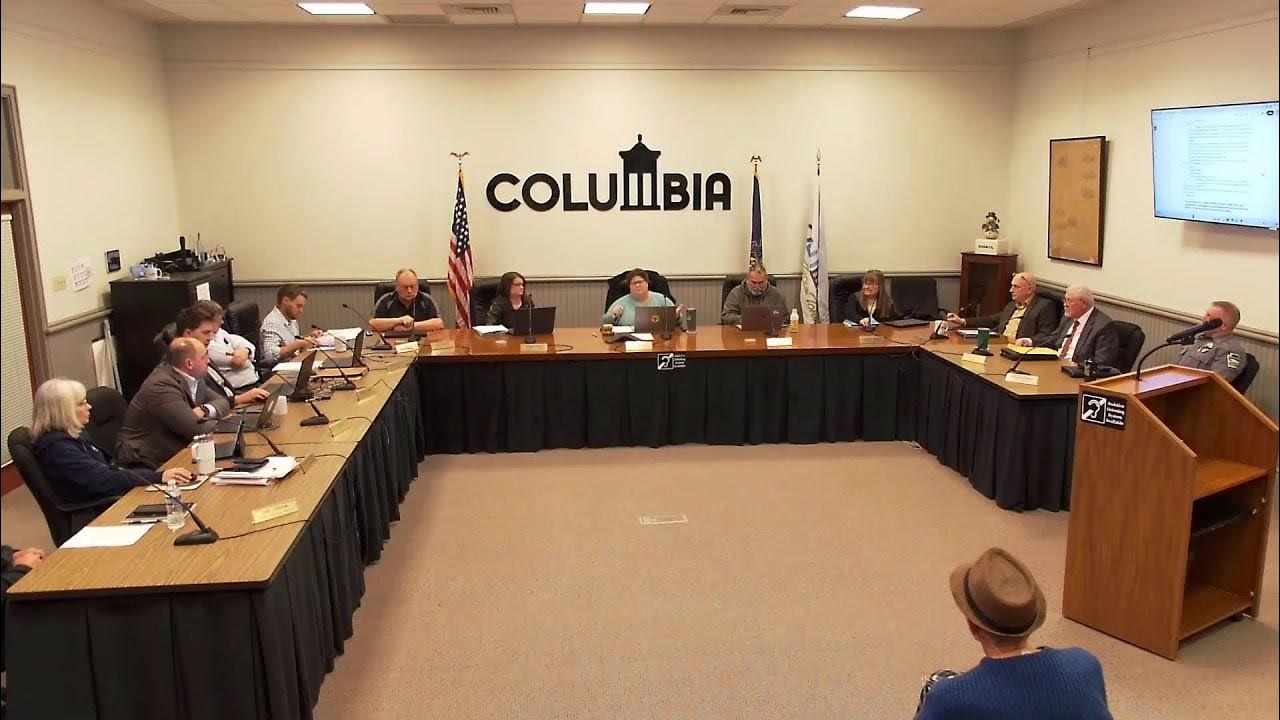
COLUMBIA, Pa. — As Columbia continues to grow and reshape its identity, residents regularly assess the people who guide that process. Among them is Heather M. Zink, sitting Vice President of Columbia Borough Council, whose role places her at the center of major decisions affecting taxes, development, policy, and local governance.
But long before she held elected office, public records show that Zink filed for Chapter 7 bankruptcy in 2005, alongside co‑debtor Joseph M. Zink. With personal financial history often becoming a topic in elections, the question arises: Should voters weigh a 20‑year‑old bankruptcy when choosing their leaders?
What the Record Shows
A federal bankruptcy court filing—Case No. 0520310, Eastern District of Pennsylvania—documents that Zink filed for Chapter 7 bankruptcy on January 19, 2005, with the case fully discharged on April 27, 2005. The filing lists:
- Debtor: Heather M. Zink
- Co‑Debtor: Joseph M. Zink
- Address: 31 S. 9th St., Columbia, PA
- Judge: Thomas M. Twardowski
- Attorney: James Leonard of Lancaster
- Trustee: Barry A. Solodky
These details come directly from the official federal record. Under federal law and Pennsylvania’s Sunshine Act, this information is public unless sealed—which it was not.
Does Financial Trouble in the Past Reflect on Today’s Leadership?
Bankruptcy is a legal tool meant to give individuals a financial reset. Tens of thousands of Americans file every year, often due to medical debt, job loss, or other economic hardship. But when the individual later seeks elected office, the public frequently asks:
Does this reflect on their ability to manage public funds, or is it simply a personal chapter that has long since closed?
Arguments for considering the bankruptcy:
- Financial responsibility is relevant to public service.
Borough Council members make decisions about taxes, budgets, and multimillion‑dollar development projects. Zink herself has been central in budget discussions and called for potential tax increases during the 2025 budget cycle.
To some voters, a bankruptcy—even an old one—may raise questions about financial stewardship. - Transparency builds trust.
Public officials often undergo heightened scrutiny; voters may feel entitled to judge patterns in personal finance as indicators of broader decision‑making.
Arguments against considering the bankruptcy:
- The case is more than 20 years old and fully discharged.
Legally, Zink has no remaining obligations from the filing. The bankruptcy system exists to give people a fresh start, and many argue that dwelling on decades‑old records is unfair when no wrongdoing occurred. - Bankruptcy does not disqualify one from leadership.
Numerous respected public officials, business owners, and even U.S. presidents have filed bankruptcy at some point in their lives. It is often a response to economic hardship rather than a reflection of character or competence. - Zink’s more recent public service record may matter more.
Since joining Council, she has been active in major redevelopment projects—including the transformation of the former McGinness Airport property into a business park—demonstrating current leadership and long‑term planning.
A Question for Columbia’s Voters
The bankruptcy is real, documented, and part of the public record. But what it means is ultimately up to the people of Columbia.
Should a bankruptcy from 2005 influence voters’ decisions today?
- If you believe financial history reflects judgment, then the bankruptcy may be a relevant factor.
- If you believe in second chances and evaluating current performance, the case may hold little weight.
- If transparency is your priority, then the fact that the record exists—and that it’s being discussed openly—is what matters most.
Where Columbia Goes from Here
As election cycles continue and leadership roles evolve, the conversation about personal history and public service will remain part of the democratic process. What matters most is that voters have access to accurate information—not rumors, not innuendo, but verifiable public records.
And the record is clear:
Yes, Heather M. Zink filed for Chapter 7 bankruptcy in 2005. Yes, it was fully discharged. And yes, it is up to the residents of Columbia to decide how much that matters today.