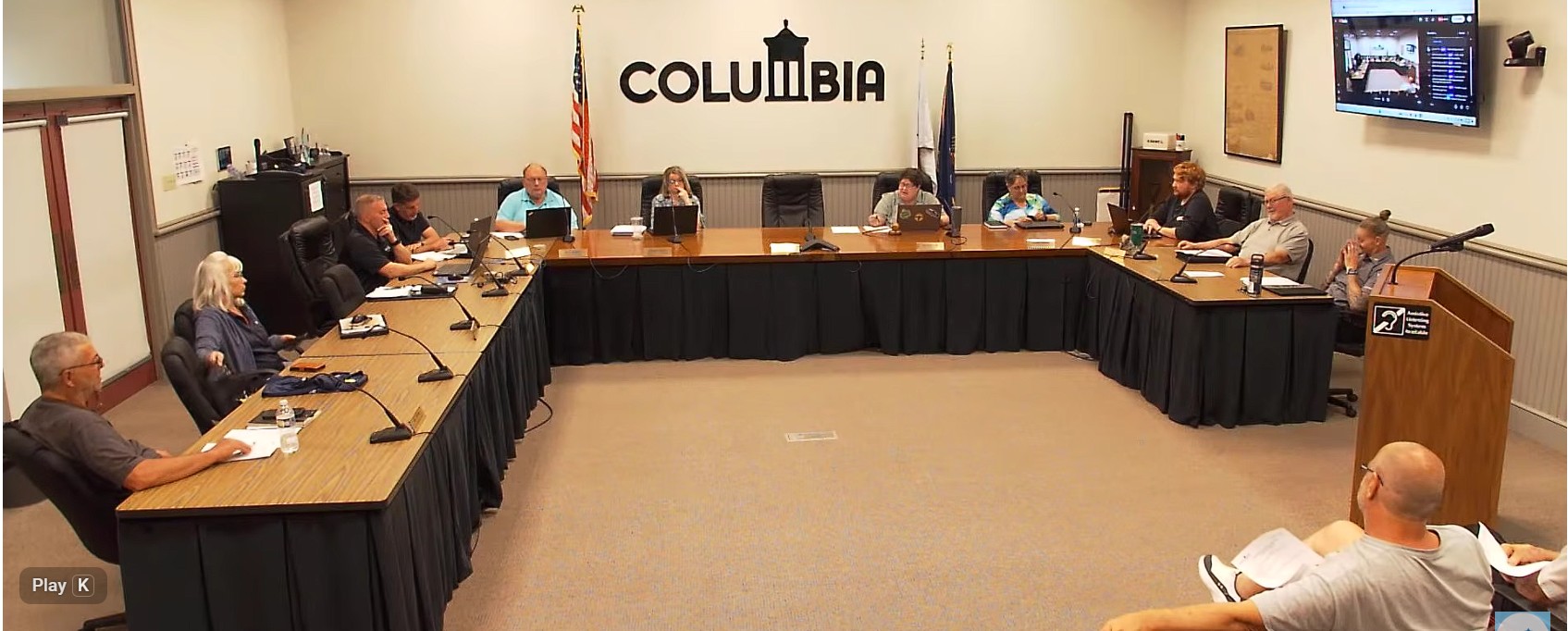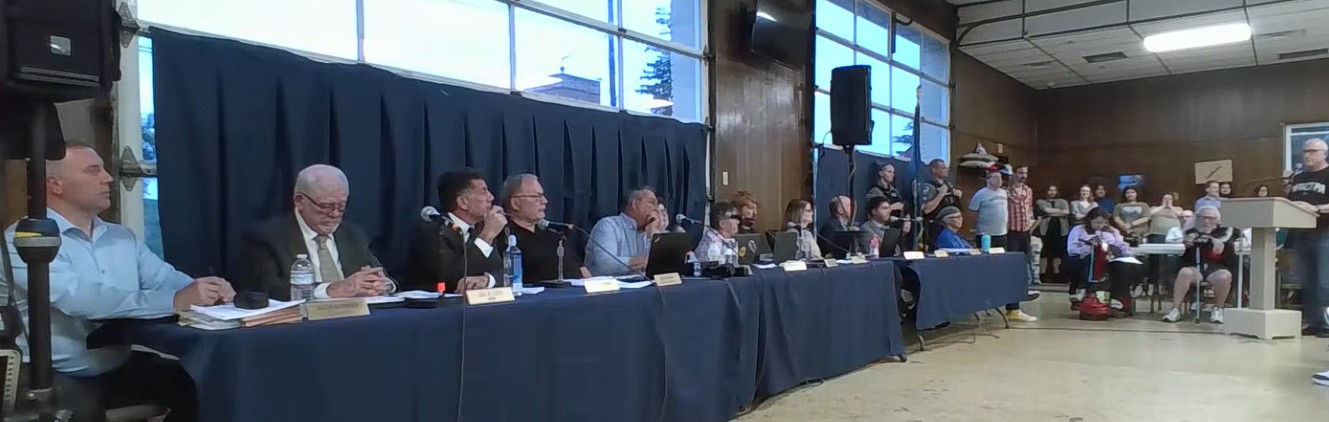











Something isn’t sitting right in Columbia Borough, and more residents are starting to notice.
Over the past several months, a pattern has begun to emerge involving borough leadership decisions that, while perhaps technically permissible, raise serious questions about transparency, accountability, and respect for the public’s right to know.
At the center of these concerns is Borough Manager Jack Brommer.
Let’s start with how he got the job.
There is no dispute that Borough Council has the legal authority to appoint a borough manager. Pennsylvania law allows council to enter into an employment agreement with a manager directly, without requiring a formal hiring process. But legality is not the same as legitimacy in the eyes of the public.
There was no widely publicized job posting. No open interview process. No visible effort to invite other qualified candidates. Instead, the transition appeared predetermined—raising a simple but important question: Was this decision truly made in the public’s interest, or behind closed doors?
That question only becomes more urgent when paired with what happened next.
A request was made under Pennsylvania’s Right-to-Know Law for the borough manager’s employment contract—a document that should, by definition, be public. The law is clear: contracts and financial records of a public agency are presumed to be accessible to taxpayers. There is even a legal presumption that government records are open unless a specific exemption applies.
And yet, the contract has not been provided.
If there are portions that require redaction—personal information, for example—that is expected. But withholding the entire agreement, or delaying its release without clear legal justification, undermines the very purpose of the Right-to-Know Law. It sends a message, whether intended or not, that transparency is optional.
It is not.
Compounding these concerns are reports surrounding the handling of a contract related to the police department. While borough managers often assist in drafting agreements, they do not hold unilateral authority to approve them. That responsibility rests with Borough Council. Any perception that contracts are being shaped or directed outside of a fully transparent, public process is deeply troubling.
And then there is what may be the most concerning issue of all: what’s being said behind the scenes.
Multiple borough employees, speaking privately, have expressed concerns about the direction of leadership and internal operations. These are not on-the-record statements, and they should not be treated as proven facts. But when concerns begin to surface from within an organization itself, they deserve attention—not dismissal.
Silence does not build trust. It erodes it.
To be clear, none of these individual issues definitively prove misconduct. But taken together, they form a pattern that demands scrutiny:
- A leadership appointment without a transparent selection process
- A public contract that remains out of public view
- Questions about authority and process in contract handling
- Growing internal concerns from those working inside the borough
For a community like Columbia, that pattern matters.
Local government functions best when it is visible, understandable, and accountable to the people it serves. When decisions feel hidden, when records are withheld, and when questions go unanswered, confidence begins to slip—and once lost, trust is not easily rebuilt.
The answer here is not speculation or accusation. It is openness.
Borough Council—and borough leadership—have an opportunity right now to address these concerns directly and restore confidence by:
- Releasing the borough manager’s contract in accordance with the law
- Clearly documenting and explaining how key hiring decisions were made
- Ensuring all contracts are approved publicly and transparently
- Listening—truly listening—to concerns coming from both employees and residents
Columbia doesn’t need spin. It needs clarity.
Because at the end of the day, public service is exactly that—service to the public. And the public has every right to ask questions when something doesn’t feel right.
The only real question left is this:
Will those questions be answered?