





In government, authority is supposed to be visible.
Who drafts.
Who negotiates.
Who approves.
And who signs.
But in Columbia Borough, a series of internal documents obtained through Right‑to‑Know requests reveal something very different:
A process where contracts move through multiple hands—but final control appears concentrated in one place.
Two Parallel Contracts—Two Different Voices
The documents show that the Chief of Police contract didn’t come from a single source.
It came from two.
🔵 Borough-side drafts (through the manager)
- April 24: Legal draft from the borough solicitor, forwarded through the borough manager
- April 29: Revised version sent again through the manager
These drafts:
- Originate from legal counsel
- Use formal legal language
- Emphasize “at-will” protections
- Set salary at:
- $120,072.25 → later revised to $123,497
🟢 Employee-side drafts (written by the Chief)
- April 28 draft
- April 29 draft
Both explicitly state:
“Drafted by Chief Arndt”
These drafts:
- Represent her own proposed terms
- Include:
- A higher salary ($125,000)
- Reflect negotiation from the employee side
What This Shows: Active Negotiation
Taken together, this is not unusual in structure.
It shows a standard process:
- Borough solicitor drafts legal version
- Manager transmits it
- Employee responds with revisions
- Terms change—especially salary
- A final agreement is eventually reached
This is how contracts are often negotiated behind the scenes.
But what happened next is where the story shifts.
The Statement That Raised Questions
In an official response, the Chief stated:
The signed final agreement is being held by the Borough Manager and she had not been provided a copy.
At that moment, one key issue emerged:
The final agreement existed—but was not visible.
Then—The Contract Appears
Shortly after, a separate response provided the final signed contract.
That document confirms:
- Final salary: $123,497
- Signed by:
- Borough representative (Eric Kauffman)
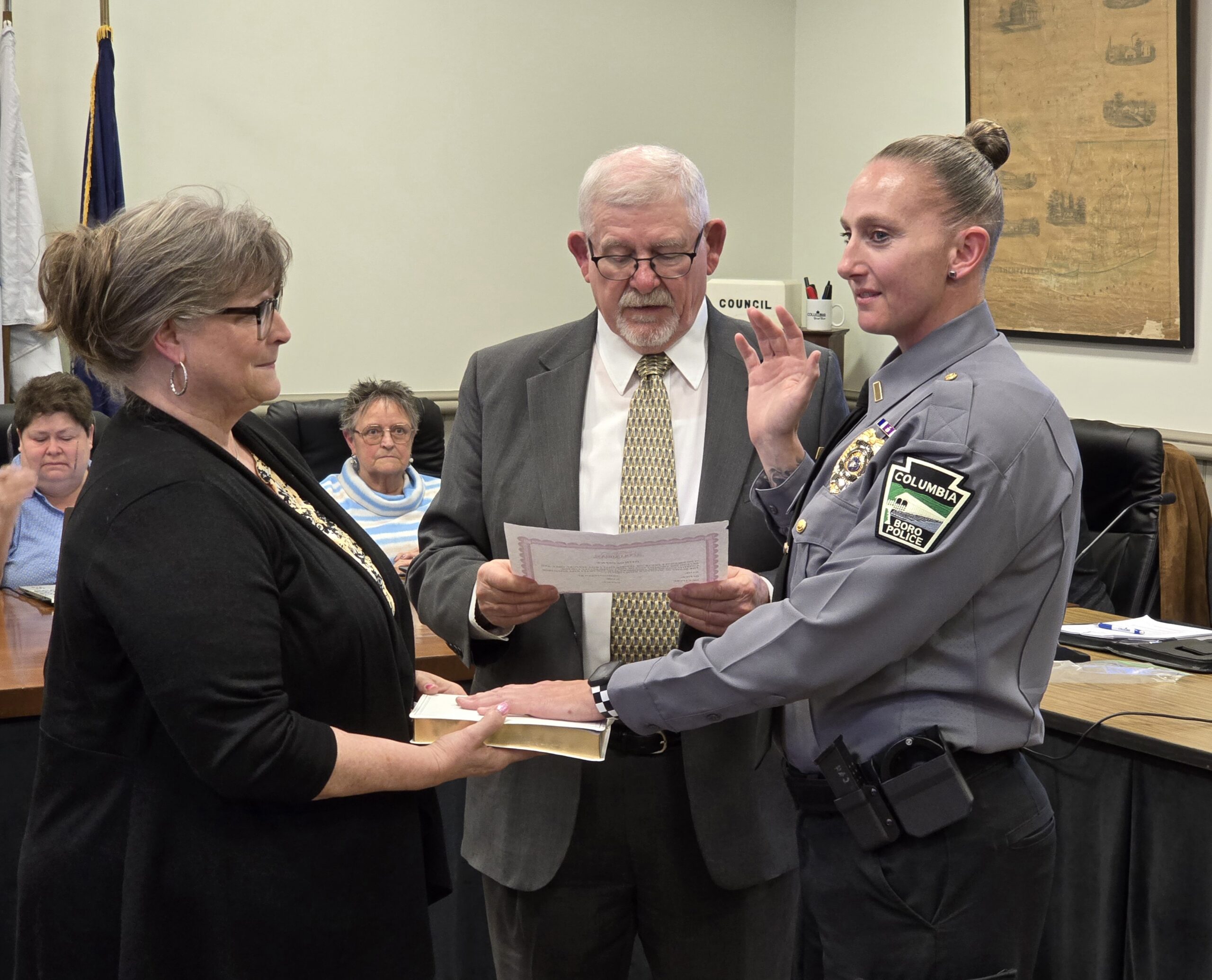
- Chief Holly Arndt
- Dated: May 8, 2026
This aligns closely with:
- The April 29 borough-side draft
- Not the higher employee proposal
So What Changed?
Now, the full timeline becomes clear:
- April 24: Borough draft created
- April 28–29: Chief proposes revisions (higher salary)
- April 29: Borough revises upward—but not to employee’s level
- May 8: Final version signed at $123,497
👉 This confirms:
- The borough version largely prevailed
- Negotiation occurred—but within limits
- Final terms reflect the borough-controlled draft more than the employee proposal
Who Controlled the Process?
Across every step, one pattern holds:
- Solicitor → Borough Manager
- Borough Manager → Chief
- Final agreement → initially held by Borough Manager
Even after signing, access to the document was not immediate.
At the Same Time: Delays Elsewhere
While this contract was finalized on May 8, other records—including the borough manager’s own contract—were delayed.
A formal RTK extension cited:
- Legal review
- Staffing limitations
- Scope of request
With a deadline pushed into mid-July.
👉 In contrast:
- The Chief’s contract was finalized quickly
- But access to it—and other related records—was staggered
A Pattern Emerges
Looking across all documents, a consistent structure appears:
- Drafts originate from multiple sources
- Negotiation occurs
- Final terms align with borough-controlled versions
- Documents flow through a central point
- Public access is delayed or staged
This doesn’t prove wrongdoing.
But it does show a controlled system of information flow.
Why This Matters
The issue is not that contracts are negotiated.
That’s normal.
The issue is visibility.
Because in a fully transparent process:
- Final agreements are clearly shared
- All parties have immediate access
- Council approvals are easily traceable
Here, what we see instead is:
- A delay between signing and access
- A central point controlling document flow
- A gap between drafts and public visibility
The Bigger Question
This is not about one contract.
It’s about structure.
When:
- Drafts move through one office
- Final documents are initially held there
- And records are released only after pressure or delay
The question changes.
It’s no longer:
“Was a contract signed?”
It becomes:
How transparent was the process that led to it?
Where Authority Stands
By law:
- Borough Council approves the contract
- Borough officers execute it
The documents confirm that happened.
But they also raise a second issue:
Who shaped the terms before they reached that point?
Final Word
The documents now tell a complete story:
- Two sides negotiated
- Terms moved back and forth
- A final agreement was reached
- And that agreement reflects the borough’s version
But the path to get there was:
- Controlled
- Layered
- And not fully visible in real time
In local government, that matters.
Because transparency isn’t just about the final document.
It’s about the process that produces it.
And in this case, that process leaves one final question:
Who really controls the flow of decisions—before the public ever sees them?