





In government, moments of concern rarely appear overnight.
They build—step by step, decision by decision—until a pattern becomes impossible to ignore.
In Columbia Borough, that pattern is now coming into focus.
This is a timeline of how we got here.
2024: A Leadership Transition Begins
In September 2024, Columbia Borough appointed Steven Kaufhold as borough manager following a council vote.
At the time, this marked a shift in leadership after the departure of the previous manager. The position itself—one of the most influential in the borough—carries responsibility for daily operations, staff oversight, finances, and implementation of council decisions.
But this transition would not be the last.
September 2025: A New Plan Emerges
By September 2025, Borough Council had begun laying out a succession plan that would dramatically reshape leadership.
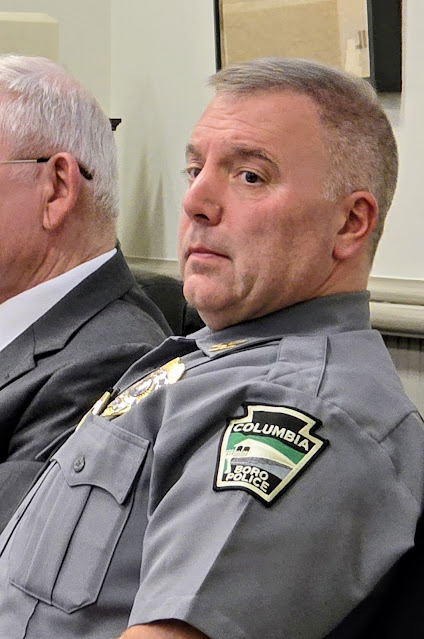
Police Chief Jack Brommer was selected to step into the role of interim borough manager, with a plan already in place for him to become the full-time manager after retiring as police chief.
The decision was approved by council and included:
- A stipend for interim duties
- A transition period
- A future promotion to full-time borough manager
But one detail stood out:
There was no public hiring process.
No open posting.
No visible pool of candidates.
No competitive interviews.
While Pennsylvania law allows Borough Council to appoint a manager directly, the absence of a transparent search raised early questions about how the decision was made—and who, if anyone, was considered.
Late 2025: Appointment Without Competition
As the transition continued, Brommer moved fully into the borough manager role after retiring as police chief.
Council had already approved his future appointment, effectively making the outcome known well in advance.
The result:
- A top leadership position filled without public competition
- A process that, while legal, remained largely out of public view
For some residents, it marked the beginning of a growing concern:
If leadership decisions are made this way, what else happens behind the scenes?
Early 2026: Major Decisions Under New Leadership
By early 2026, the new borough manager was fully in place and overseeing operations.
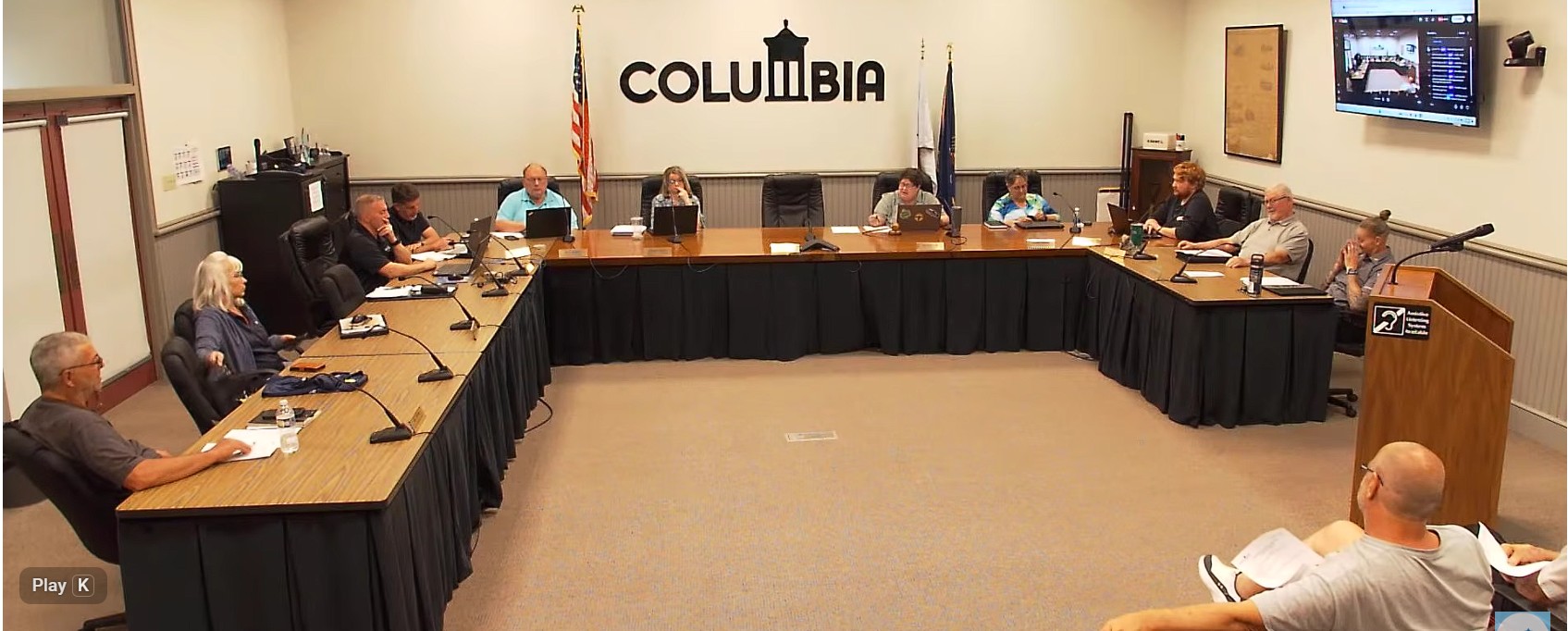
During council meetings, key issues—including finances, capital equipment, and major property decisions—were actively discussed. Reports indicated financial strain, including low general fund balances and consideration of borrowing.
At the same time, attention began to shift toward how decisions were being made internally—and who was driving them.
2026: Questions About Contracts and Authority
As the borough moved forward, concerns began to surface regarding contracts—specifically:
- The borough manager’s own employment agreement
- A reported contract involving the police department
A formal request was submitted under Pennsylvania’s Right-to-Know Law for the borough manager’s contract.
Under state law, contracts involving public funds are generally considered public records, and there is a presumption of openness unless a specific exemption applies.
Yet the contract was not released.
At the same time, questions began to circulate about:
- Who was drafting key agreements
- Whether proper authority was being followed
- And whether Borough Council was fully driving the process—or reacting to it
These are not minor procedural details.
In local government, who writes it—and who approves it—matters.
Behind the Scenes: Internal Concerns Begin to Surface
While public questions were growing, something else was happening quietly.
Employees within borough operations began raising concerns privately—about leadership direction, internal decision-making, and workplace environment.
These accounts are not part of official records, and they are not presented as proven facts. But when similar concerns begin to surface from multiple voices inside an organization, they become difficult to ignore.
In many cases, internal concerns are the earliest warning sign that deeper issues may exist.
A Pattern Emerges
Seen individually, each of these events might be explainable.
But taken together, they form a pattern:
- A leadership role filled without open competition
- A pre-determined transition plan approved behind the scenes
- A public contract that has not been released
- Questions surrounding authority over key agreements
- Internal concerns from borough employees
And at each step, one question remains:
Where is the transparency?
Where Things Stand Now
As of mid-2026, the situation has reached a point where residents are asking more direct questions:
- Why hasn’t the borough manager’s contract been released?
- Why wasn’t the position opened to other candidates?
- Who is controlling major employment and contract decisions?
- Are internal concerns being addressed—or ignored?
These are not political questions.
They are governance questions.
Why This Matters
Columbia Borough is not unique in facing challenges. Every municipality deals with difficult decisions, leadership transitions, and internal pressures.
But what separates strong local government from struggling government is one thing:
Transparency.
When the public can see how decisions are made, trust grows.
When information is withheld or unclear, trust erodes.
Right now, Columbia sits at that crossroads.
The Question Going Forward
This timeline is not the end of the conversation.
It’s the beginning of it.
Because the real issue is not just how we got here—
It’s what happens next.
Will there be clear answers?
Will records be released?
Will decisions be explained openly to the public?
Or will the pattern continue?
One Final Thought
Government doesn’t lose public trust in a single moment.
It loses it gradually—
one unanswered question at a time.
Columbia is asking those questions now.
The only question left is who’s willing to answer them.